Answering Common Questions About Air Filters
Air filters are a simple but vital component of the HVAC system. It prevents the AC and heater from overheating and promotes good indoor air quality. Still, many homeowners don’t know the first thing about air filters, including when to replace them. Here, homeowners can get answers to their most burning air filter questions.
What Do Air Filters Do?
At its core, an air filter removes impurities from the air, including pollen, dust, pet dander, and other particles that can affect homeowners’ health. It also protects the HVAC system from overheating, which can happen if it gets clogged with debris and can’t “breathe.”
There are many different types of air filters, including:
- Flat air filters: A flat panel air filter is the most basic and cheapest option but is not as efficient.
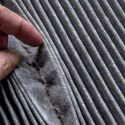
- Pleated air filters: Because of their angled surface, these pleated filters can capture more debris than basic flat air filters.
- Electrostatic air filters: These air filters are electrostatically charged, attracting more debris and smaller pollutants. They can be reusable and washable or replaceable, per the Washington Post.
- Washable air filters: Some filters require buying a new filter whenever the old one gets dirty. With a washable filter, homeowners can hose it down, vacuum it, and reinsert it into the HVAC system.
The most effective air filters are HEPA (high-efficiency particulate air) filters. These filter over 99 percent of all debris from the air larger than 0.3 microns, promoting good air quality. However, some HVAC systems cannot use them because they are not designed for them.
When Is Filter Replacement Needed?
 EnergyStar notes that homeowners should replace their air filters at least once every three months. However, air filters should be checked monthly to ensure they are clean enough. Homeowners should consider more frequent filter replacements if they have pets or people in the household have allergies.
Homeowners can also run the white sheet test to see if they need to replace their air filters sooner. This involves hanging a white sheet near an air vent but several inches away, then waiting around an hour. If the sheet is gray, this means the air filter is dirty and needs replacing.
What Are the Benefits of Replacing a Dirty Air Filter?
 Some benefits of replacing a dirty AC filter include:
- Saving money: An HVAC system shouldn’t have to work harder than it has to because of a dirty and clogged filter. If it does, homeowners will see this reflected in their system’s efficiency and energy bills.
- Good indoor air quality: With better indoor air quality due to a fresh filter capturing pollutants, homeowners can breathe easier and avoid respiratory problems, such as shortness of breath and allergy symptoms.
- Extended lifespan for the HVAC system: Nobody wants to worry about an HVAC problem ruining their day. By replacing the air filter on time, homeowners can help their system last longer.
About Jerry Brittingham A/C & Heat, Inc.
Jerry Brittingham A/C & Heat, Inc. has over two decades of experience serving Daytona Beach and the surrounding areas. They offer transparent pricing, financing options, and a membership plan. Call them today for HVAC filter replacement services in Daytona Beach, FL.
)
Distribution Links +
- wicz.com
- htv10.tv
- central.newschannelnebraska.com
- metro.newschannelnebraska.com
- southeast.newschannelnebraska.com
- midplains.newschannelnebraska.com
- northeast.newschannelnebraska.com
- plattevalley.newschannelnebraska.com
- panhandle.newschannelnebraska.com
- rivercountry.newschannelnebraska.com
- lifestyle.mykmlk.com
- lifestyle.3wzfm.com
- lifestyle.southernsportstoday.com
- lifestyle.thepodcastpark.com
- lifestyle.680thefan.com
- lifestyle.xtra1063.com
- lifestyle.953hlf.com
- lifestyle.rewind1019.com
- lifestyle.us983.com
- lifestyle.countrylegends1059.com
- lifestyle.967wshv.com
- lifestyle.1045thedan.com
- michigan.yournewsnet.com
- lifestyle.earl983.com
- lifestyle.maverick1023.com
- lifestyle.magic979wtrg.com
- lifestyle.1077lakefm.com
- lifestyle.kbew98country.com
- lifestyle.kccrradio.com
- lifestyle.capitalcityrock.com
- lifestyle.current943.com
- lifestyle.thedam.fm
- lifestyle.hotcountry931.com
- lifestyle.pierrecountry.com
- lifestyle.kotaradio.com
- lifestyle.q923radio.com
- lifestyle.kynt1450.com
- lifestyle.myeaglecountry.com
- newsnetmedia.com
- atlanta.newsnetmedia.com
- augusta.newsnetmedia.com
- austin.newsnetmedia.com
- boise.newsnetmedia.com
- buffalo.newsnetmedia.com
- columbia.newsnetmedia.com
- columbus.newsnetmedia.com
- detroit.newsnetmedia.com
- fresno.newsnetmedia.com
- jacksonville.newsnetmedia.com
- losangeles.newsnetmedia.com
- minneapolis.newsnetmedia.com
- monterey.newsnetmedia.com
- myrtlebeach.newsnetmedia.com
- nashville.newsnetmedia.com
- norfolk.newsnetmedia.com
- odessa.newsnetmedia.com
- pittsburgh.newsnetmedia.com
- portland.newsnetmedia.com
- quincy.newsnetmedia.com
- sacramento.newsnetmedia.com
- saltlakecity.newsnetmedia.com
- sanantonio.newsnetmedia.com
- santabarbara.newsnetmedia.com
- siouxfalls.newsnetmedia.com
- waco.newsnetmedia.com
- sports.newsnetmedia.com
- lifestyle.roanokenewstalk.com
- lifestyle.995jamz.com
- https://smb.troymessenger.com
- https://smb.windsorweekly.com
- https://smb.clemmonscourier.net
- https://smb.gatescountyindex.com
- https://smb.harlandaily.com
- https://smb.irontontribune.com
- https://smb.ourdavie.com
- https://smb.state-journal.com
- https://smb.thecharlottegazette.com
- https://smb.thecoastlandtimes.com
- https://smb.theinteriorjournal.com
- https://smb.thetidewaternews.com
- https://smb.tryondailybulletin.com
- https://smb.winchestersun.com
- https://smb.farmvilleherald.com
- https://smb.salisburypost.com
- https://smb.shelbycountyreporter.com
- https://smb.smithfieldtimes.com
- https://smb.suffolknewsherald.com
- https://smb.thewashingtondailynews.com
- https://smb.thewetumpkaherald.com
- https://smb.cordeledispatch.com
- https://smb.lagrangenews.com
- https://smb.middlesboronews.com
- https://smb.roanoke-chowannewsherald.com
- https://smb.tallasseetribune.com
- https://smb.thepostsearchlight.com
- https://smb.valleytimes-news.com
- https://smb.lowndessignal.com
- https://pr.washingtoncitypaper.com
- https://smb.theleesvilleleader.com
- https://smb.prentissheadlight.com
- https://smb.beauregardnews.com


)
)
)