The Essentials of Replacing an Air Conditioning System

Important AC Replacement Basics to Know

An air conditioner works quietly in the background for years, and it can be easy to overlook the gradual signs that the system is no longer performing the way it should. Knowing when to replace a unit, what a new system brings to the table, and which type of system fits the home best are all decisions that carry long-term consequences for comfort and cost. Getting familiar with the basics before making that call puts homeowners in a much stronger position to choose well.

Signs to Replace an Air Conditioner
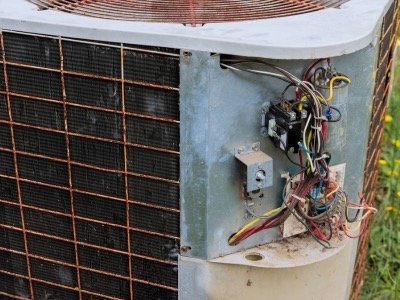
hvac Age is one of the most straightforward indicators that an air conditioner is approaching the end of its useful life, with most systems beginning to decline noticeably after the ten-year mark. As components wear down over time, the system has to work harder to maintain the same level of cooling, and that extra effort shows up as reduced performance and inconsistent temperatures throughout the home. An aging unit that is starting to struggle is rarely worth pouring money into, as the underlying issue is the accumulation of wear that no single repair can fully reverse.

Rising energy bills are another sign that an air conditioner is losing its efficiency, even when usage habits have not changed. Older units, particularly those that have not received regular maintenance, consume significantly more electricity to deliver the same amount of cooling as a newer, more efficient model. That gap in efficiency widens as the system ages, making the monthly cost of operating an old air conditioner a growing financial burden.

Frequent repair calls are perhaps the most telling sign that a replacement is overdue. When the same system requires attention multiple times within a single cooling season, or when the cost of a single repair approaches a significant portion of what a new unit would cost, continuing to invest in that system rarely makes financial sense. At that point, the more practical decision is to put that money toward a new installation rather than extending the life of a system that has already reached its limit.

Advantages of Replacing an Old AC Unit

A new air conditioner installation delivers an immediate improvement in energy efficiency, as modern systems are engineered to cool more effectively while consuming less electricity than older models. That efficiency advantage translates into lower monthly utility bills, which begin to offset the cost of the new system from the very first cooling season. Over the lifespan of the unit, those accumulated savings represent a meaningful return on the investment made at installation.

Fewer repair costs are another financial benefit that comes with a new system, since a properly installed, modern air conditioner is far less likely to develop the recurring issues that plague aging equipment. Manufacturer warranties on new units also provide additional protection during the early years of ownership, covering parts and labor for problems that may arise. That combination of reliability and warranty coverage gives homeowners peace of mind that a constantly malfunctioning old unit simply cannot offer.

Beyond the financial advantages, a new air conditioner also enhances the overall comfort of the home in ways that an old system can no longer deliver. Improved airflow, more consistent temperatures, better humidity control, and quieter operation all come standard with a modern system designed around current performance expectations. Replacement also presents the opportunity to resize the unit if the original system was ever improperly matched to the home, ensuring that the new installation is correctly sized for optimal performance from day one.

Choosing a Type of AC System

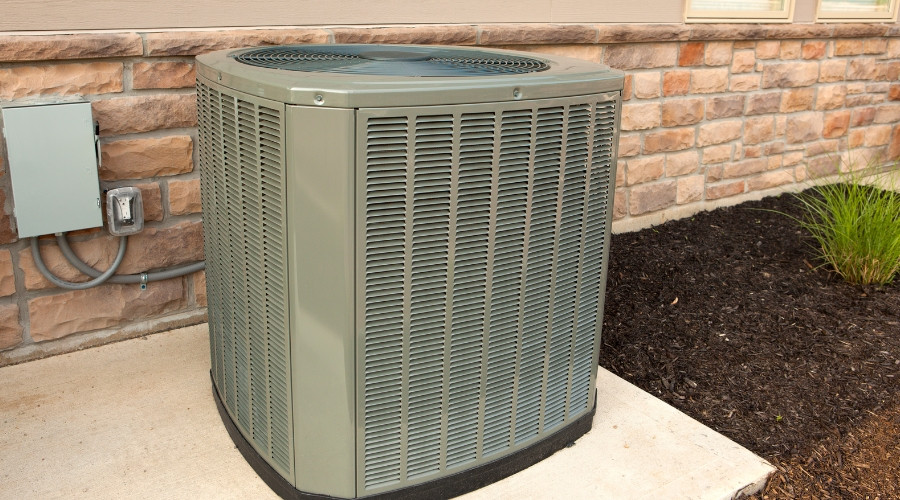
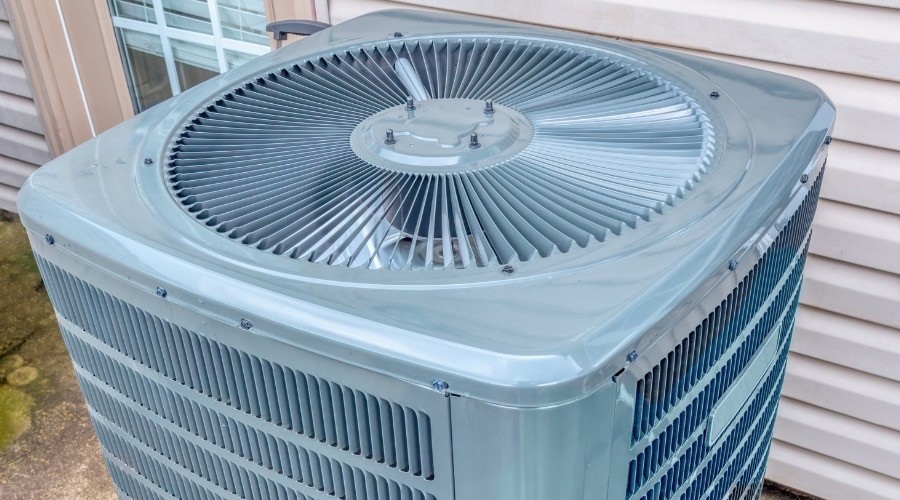
acWhen the time comes to replace or install an air conditioner, the decision will most likely come down to two options: a central air conditioning system or a ductless mini split system. Each one is built around a different approach to cooling the home, and the right choice depends on the structure of the property, the existing infrastructure, and the priorities of the household. Understanding what each system offers and where each one falls short makes that decision considerably easier to navigate.

Central air conditioning systems are generally less expensive to install, particularly in homes that already have existing ductwork in place, since the cost of building out that infrastructure is already eliminated. The system also keeps most of its components out of sight, with vents tucked into ceilings or floors and the equipment housed in a single location rather than distributed throughout the home. The trade-off is that central air systems tend to carry higher monthly operating costs, as energy losses through the ductwork reduce the overall efficiency of the system over time.

Ductless mini split systems offer a higher level of energy efficiency by delivering cooled air directly into each zone without traveling through ducts, which lowers monthly energy bills over the life of the system. The absence of ductwork also makes mini splits a practical solution for homes where running ducts through the structure would be disruptive or impractical, while the zone-by-zone temperature control allows different rooms to be set independently based on occupancy or preference. The primary consideration with a ductless system is the higher upfront installation cost, though for many homeowners, the long-term energy savings and flexibility make that initial investment well worth it.

About Jerry Brittingham A/C & Heat, Inc.

Jerry Brittingham A/C & Heat, Inc. is a full heating and air conditioning services company serving Daytona, FL, and beyond. They offer transparent pricing, knowledgeable technicians, and hassle-free service. Call them today for air conditioning installation in Daytona, FL.

Common Causes of Inefficient Air Conditioning Units

Why Are Cooling Costs Higher Than Usual?

Dealing with an inefficient air conditioner can be frustrating, especially when energy bills surge while the space still feels warm. If a system runs nonstop yet struggles to cool, the cause is often straightforward. Most issues behind poor performance are simple to pinpoint through routine air conditioner maintenance. This overview highlights common culprits so comfort can be restored and monthly costs reduced without guesswork.

Dirty Air Filter or Lack of Maintenance

filter A clogged air filter or neglected AC filter forces equipment to work harder, increasing energy consumption and operating costs. Dirty air filters restrict airflow through the HVAC system, leading to longer run times to achieve the same cooling output. According to the Department of Energy, restricted airflow of this kind can raise energy use by up to 15%.

Skipping timely air filter replacement or AC filter replacement also allows dust to accumulate on evaporator coils and other internal components, further limiting heat transfer. Regular air conditioner maintenance and scheduled AC maintenance help prevent these inefficiencies from compounding. During routine visits, technicians clean coils, verify charge to check for signs of a refrigerant leak, and inspect electrical connections. Properties following consistent maintenance schedules often see 20–40% better efficiency than those waiting for breakdowns.

Dirty Coils or Low Refrigerant

hvac Dirty coils and low refrigerant levels are among the most frequent reasons an air conditioner underperforms. Contaminated evaporator coils absorb less heat from indoor air, while condenser coils covered in debris struggle to release heat outdoors. The result is reduced capacity and extended run times.

A refrigerant leak compounds the problem. When refrigerant levels drop, the system’s ability to transfer heat between indoor and outdoor units declines sharply. The compressor may run longer cycles, yet optimal cooling never materializes. Professional service typically includes coil cleaning with specialized equipment and precise diagnosis of any refrigerant leak, followed by repairs and charging to manufacturer specifications—steps that restore performance and trim cooling costs.

Ductwork Problems

Leaky or obstructed ductwork is a commonly overlooked cause of inefficient cooling. Damaged air ducts can lose 20–30% of conditioned air, forcing the system to overwork to meet thermostat settings. Escaped air often ends up in attics or crawlspaces rather than living areas.

Beyond leaks, blockages from dust accumulation, debris, or pests can choke airflow through ductwork, creating hot and cold spots from room to room. A professional inspection of air ducts helps detect hidden leaks and obstructions. Sealing problem areas with appropriate materials and performing thorough duct cleaning restores proper airflow, improves overall HVAC efficiency, and supports more even temperatures throughout the home or building.

About Jerry Brittingham A/C & Heat, Inc.

Jerry Brittingham A/C & Heat, Inc. is a leading provider of HVAC services in Daytona Beach and the surrounding areas. They offer prompt, high-quality service and take pride in guaranteeing customer satisfaction. Call them today for AC maintenance in Daytona Beach, FL.

Distribution Links +

Air Conditioning 101: A Basic Guide to Cooling

Air Conditioning Basics That Matter

Heading back into the school year is a great time to brush up on Air Conditioning 101. If you’re dealing with rising energy bills or an older system, a few smart choices can improve comfort and reliability without blowing the budget. Below is a quick look at AC system types, common warning signs, and why regular care pays off.

Common Types of Air Conditioning Systems

acCentral systems: A central air conditioning system moves cooled air through ducts to serve the whole building. A central AC system is a solid choice for larger schools or facilities that already have ductwork, since it keeps temperatures even from room to room. A central air conditioner does require a higher upfront investment and routine duct and equipment care to stay efficient.

Ductless options: A ductless mini split system cools specific areas without adding or modifying ducts. A ductless mini split air conditioner pairs an outdoor unit with one or more indoor air handlers, so you can control temperatures by zone—handy for older buildings, portable classrooms, or offices that need extra cooling. A ductless mini split offers flexible installation and targeted efficiency, especially when only a few spaces need conditioning.

What’s “best” depends on the building and how you use it. For whole‑building comfort with existing ducts, central often wins. For spot cooling or retrofits, ductless is hard to beat. Either way, plan on professional installation plus ongoing care—regular AC maintenance and timely air filter replacement—to maintain air quality and dependable performance.

Signs It’s Time for AC Repair

Even well‑kept systems eventually need attention. Call for AC repair or professional air conditioner repair if you notice:

  • Strange noises (grinding, squealing, banging) or new vibrations
  • Weak airflow, warm spots, or uneven cooling
  • Musty odors (possible mold) or burning smells (possible electrical issue)
  • Short cycling, hard starts, or tripped breakers
  • Unusually high energy bills without a change in usage
  • Water around the indoor unit or ice on refrigerant lines
  • Thermostat readings that don’t match the room’s feel

Catching issues early helps prevent bigger problems and unexpected downtime.

Why Maintenance Matters

filter Routine AC maintenance keeps equipment efficient and extends its useful life. A typical air conditioner maintenance visit includes:

  • Cleaning indoor and outdoor coils
  • Checking refrigerant charge and looking for leaks
  • Inspecting electrical connections and testing system controls
  • Verifying thermostat calibration
  • Lubricating moving parts and clearing the condensate drain

Don’t overlook air filter replacement. Most filters should be changed every 1–3 months, depending on use and indoor air quality. Clean filters support airflow, improve efficiency, and help maintain a healthier learning environment.

Quick tip: Keep vents clear of furniture and paper, shade outdoor units if possible, and schedule maintenance before peak heat to avoid mid-season surprises.

About Jerry Brittingham A/C & Heat, Inc.

Jerry Brittingham A/C & Heat, Inc. is a reliable HVAC company proudly serving the communities of Daytona Beach and the surrounding areas. Their technicians are prompt, professional, experienced, and highly trained, ensuring customer satisfaction. Call them now for air conditioning services in Daytona Beach, FL.

Distribution Links +

The Significance of Regular Air Conditioning Maintenance

Why Schedule AC Maintenance This Spring?

Air conditioning maintenance is vital for indoor comfort and preventing unexpected system failures. Rather than waiting for costly breakdowns, proactive service helps avoid stress while reducing the risk of expensive repairs. Routine AC care can significantly extend the lifespan of a cooling system and improve energy efficiency, while doing it in the spring helps ensure dependable performance throughout the hottest months of the year.  This post will discuss AC maintenance, including its benefits, what it entails, and when it's necessary.

Benefits of Annual AC Maintenance

save money Regular air conditioner maintenance is crucial for homeowners seeking reliable and efficient cooling performance. Annual service appointments allow HVAC professionals to inspect the system thoroughly and address minor issues before they develop into costly problems. The advantages extend well beyond basic comfort.

One of the key benefits of consistent maintenance is improved energy efficiency. Well-maintained systems consume significantly less electricity compared to neglected units. According to the U.S. Department of Energy, routine service can reduce energy use by up to 15%, resulting in noticeable savings on utility bills.

In addition to energy savings, proper care helps extend the lifespan of air conditioning equipment. Systems that receive little or no maintenance may last fewer years before requiring replacement, whereas those that are regularly maintained can operate effectively for years longer.

Regular maintenance also reduces the likelihood of system failure during periods of high demand, such as the peak of summer. Emergency repairs can often be avoided by addressing potential issues early, such as refrigerant leaks, dirty coils, or worn components, helping the system run smoothly when needed.

What Does AC Maintenance Entail?

acKeeping an air conditioning system in optimal condition requires routine care. HVAC professionals conduct in-depth assessments and perform essential maintenance tasks to ensure smooth operation and prevent breakdowns. The process begins with a comprehensive inspection to identify any signs of wear or potential issues. Technicians clean the evaporator and condenser coils, an important step in maintaining cooling efficiency and reducing energy consumption. When coils become dirty, the system is forced to work harder, increasing strain and the likelihood of mechanical failure.

Thermostat calibration is verified to ensure accurate temperature readings and proper communication with the cooling system. Even minor discrepancies can lead to unnecessary cycling and wasted energy. Refrigerant levels are carefully measured, as low levels may indicate a leak that requires immediate attention. 

Electrical components such as wires and terminals are also inspected and tightened to prevent shorts and safety hazards. According to the U.S. Department of Energy, regular professional maintenance systems operate more efficiently and have significantly longer service lives, making preventative care a smart, long-term investment in AC performance and reliability.

Recommended Air Conditioning Maintenance Schedule

To maintain optimal performance, air conditioning systems should be professionally serviced once per year. The ideal time for maintenance is early spring, allowing technicians to prepare the unit before rising temperatures increase system demand.

Scheduling spring maintenance offers several benefits. First, service availability is often greater before the peak summer season. Second, addressing minor issues in advance helps prevent discomfort from untimely breakdowns. According to the U.S. Department of Energy, well-maintained systems consume 15–20% less energy than neglected ones, leading to lower energy bills and a smaller environmental footprint.

In addition to professional service, homeowners should replace air filters regularly, typically every one to three months. Factors such as pet ownership, allergies, household size, and environmental conditions affect how frequently filters should be changed. Clean filters enhance indoor air quality and allow the system to operate efficiently, reducing wear and extending equipment life.

About Jerry Brittingham A/C & Heat, Inc.

Jerry Brittingham A/C & Heat, Inc. proudly serves Daytona Beach and nearby communities with dependable, high-quality HVAC services. As a trusted Ruud installer, the company is known for honest guidance, exceptional customer care, and a seamless service experience from start to finish. With a commitment to comfort, quality workmanship, and clear communication, each project is handled with professionalism and integrity. For top-notch air conditioner maintenance and repair services in Daytona Beach, FL, call today!

Distribution Links +

Why Schedule Air Conditioning Maintenance?

Benefits of Investing in Routine Air Conditioner Maintenance 

Many homeowners are looking for ways to cut costs, so they may not want to invest money in the air conditioner when everything is seemingly working fine. However, investing in air conditioning maintenance can save them money in the long run by keeping energy costs low, helping avoid costly repairs down the line, and prolonging an air conditioner’s lifespan. This post will explore the perks of routine air conditioner maintenance. 

Lower Cooling Costs

save money Air conditioners are one of the home's largest energy consumers, especially during the hot summer months. However, a benefit of routine AC maintenance is keeping the unit operating efficiently, which keeps energy costs lower. When maintenance is neglected, the energy efficiency will suffer, and the air conditioner will cost more to run. During a routine maintenance appointment, some of the things a technician can do to improve the efficiency of an air conditioning system include: 

  • Replacing Air Filters: A clogged or dirty air filter limits airflow and causes inefficiency, which forces the AC unit to work harder. However, AC filters should typically be changed around every three months, so homeowners should replace dirty filters between maintenance visits as well.  
  • Cleaning Evaporator Coils: A dirty evaporator coil can negatively impact the system's efficiency and the air conditioner’s ability to cool a home. So, cleaning them during maintenance is important for efficiency and to reduce cooling costs. 
  • Monitoring Refrigerant Levels: Checking the refrigerant level during maintenance is important because if it is low due to a refrigerant leak, it can also cause inefficiency, higher energy bills, and reduced cooling performance. 
  • Inspecting Thermostats: A thermostat helps regulate the temperature indoors. If the home’s thermostat is faulty, it can force the air conditioner to run for extended periods, which raises costs. 

Helps Prevent Future Repairs

AC technicians perform important tasks to prevent issues and inspect an air conditioning system’s components during maintenance, allowing them to find and fix minor issues before they get worse. These prevention tasks and inspections help prevent future issues from occurring.

By being consistent with AC maintenance, homeowners can expect fewer air conditioning repairs and unexpected breakdowns, leading to a more reliable air conditioner. By helping homeowners avoid potential AC repairs, maintenance can also help them save on air conditioner repair costs in addition to saving on energy bills. 

Extends the Lifespan of Your Air Conditioner

hvac The best way to extend the lifespan of an air conditioner is by scheduling routine air conditioning maintenance. These appointments help keep internal components in good condition while also addressing any issues early before they get worse and cause wear and tear or damage to the AC unit that requires replacing it. 

While AC replacement will be needed eventually, prolonging the air conditioner's lifespan leads to less frequent replacements, saving homeowners money by preventing them from having to pay for costly air conditioning replacements prematurely. 

About Jerry Brittingham A/C & Heat, Inc.

Jerry Brittingham A/C & Heat, Inc. has been serving the Daytona Beach area since 2002. They provide transparent pricing options, prompt service, and a beneficial maintenance membership plan. Call them for air conditioner maintenance and repair services in Daytona Beach, FL