Important AC Replacement Basics to Know
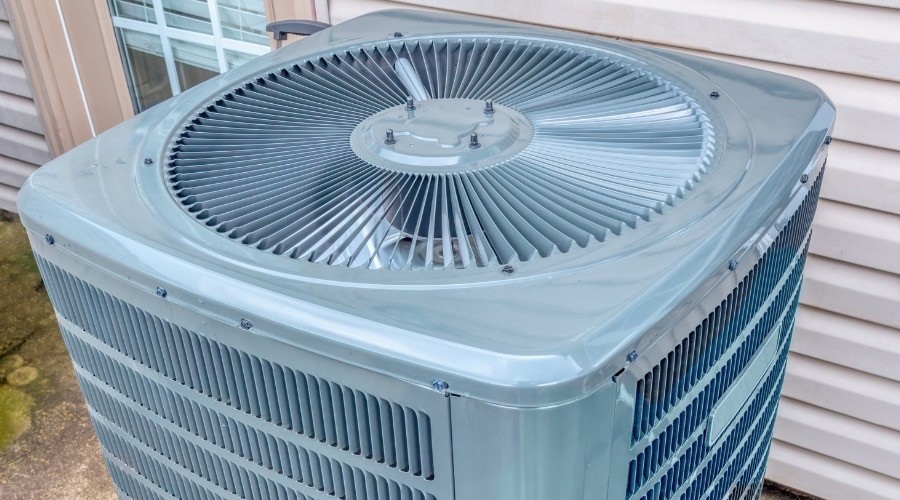
An air conditioner works quietly in the background for years, and it can be easy to overlook the gradual signs that the system is no longer performing the way it should. Knowing when to replace a unit, what a new system brings to the table, and which type of system fits the home best are all decisions that carry long-term consequences for comfort and cost. Getting familiar with the basics before making that call puts homeowners in a much stronger position to choose well.
Signs to Replace an Air Conditioner
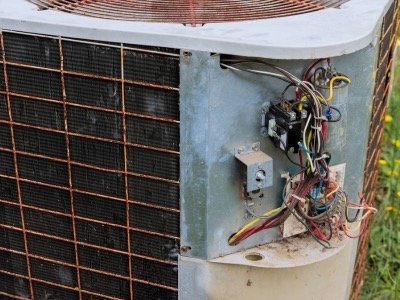 Age is one of the most straightforward indicators that an air conditioner is approaching the end of its useful life, with most systems beginning to decline noticeably after the ten-year mark. As components wear down over time, the system has to work harder to maintain the same level of cooling, and that extra effort shows up as reduced performance and inconsistent temperatures throughout the home. An aging unit that is starting to struggle is rarely worth pouring money into, as the underlying issue is the accumulation of wear that no single repair can fully reverse.
Rising energy bills are another sign that an air conditioner is losing its efficiency, even when usage habits have not changed. Older units, particularly those that have not received regular maintenance, consume significantly more electricity to deliver the same amount of cooling as a newer, more efficient model. That gap in efficiency widens as the system ages, making the monthly cost of operating an old air conditioner a growing financial burden.
Frequent repair calls are perhaps the most telling sign that a replacement is overdue. When the same system requires attention multiple times within a single cooling season, or when the cost of a single repair approaches a significant portion of what a new unit would cost, continuing to invest in that system rarely makes financial sense. At that point, the more practical decision is to put that money toward a new installation rather than extending the life of a system that has already reached its limit.
Advantages of Replacing an Old AC Unit
A new air conditioner installation delivers an immediate improvement in energy efficiency, as modern systems are engineered to cool more effectively while consuming less electricity than older models. That efficiency advantage translates into lower monthly utility bills, which begin to offset the cost of the new system from the very first cooling season. Over the lifespan of the unit, those accumulated savings represent a meaningful return on the investment made at installation.
Fewer repair costs are another financial benefit that comes with a new system, since a properly installed, modern air conditioner is far less likely to develop the recurring issues that plague aging equipment. Manufacturer warranties on new units also provide additional protection during the early years of ownership, covering parts and labor for problems that may arise. That combination of reliability and warranty coverage gives homeowners peace of mind that a constantly malfunctioning old unit simply cannot offer.
Beyond the financial advantages, a new air conditioner also enhances the overall comfort of the home in ways that an old system can no longer deliver. Improved airflow, more consistent temperatures, better humidity control, and quieter operation all come standard with a modern system designed around current performance expectations. Replacement also presents the opportunity to resize the unit if the original system was ever improperly matched to the home, ensuring that the new installation is correctly sized for optimal performance from day one.
Choosing a Type of AC System
 When the time comes to replace or install an air conditioner, the decision will most likely come down to two options: a central air conditioning system or a ductless mini split system. Each one is built around a different approach to cooling the home, and the right choice depends on the structure of the property, the existing infrastructure, and the priorities of the household. Understanding what each system offers and where each one falls short makes that decision considerably easier to navigate.
Central air conditioning systems are generally less expensive to install, particularly in homes that already have existing ductwork in place, since the cost of building out that infrastructure is already eliminated. The system also keeps most of its components out of sight, with vents tucked into ceilings or floors and the equipment housed in a single location rather than distributed throughout the home. The trade-off is that central air systems tend to carry higher monthly operating costs, as energy losses through the ductwork reduce the overall efficiency of the system over time.
Ductless mini split systems offer a higher level of energy efficiency by delivering cooled air directly into each zone without traveling through ducts, which lowers monthly energy bills over the life of the system. The absence of ductwork also makes mini splits a practical solution for homes where running ducts through the structure would be disruptive or impractical, while the zone-by-zone temperature control allows different rooms to be set independently based on occupancy or preference. The primary consideration with a ductless system is the higher upfront installation cost, though for many homeowners, the long-term energy savings and flexibility make that initial investment well worth it.
About Jerry Brittingham A/C & Heat, Inc.
Jerry Brittingham A/C & Heat, Inc. is a full heating and air conditioning services company serving Daytona, FL, and beyond. They offer transparent pricing, knowledgeable technicians, and hassle-free service. Call them today for air conditioning installation in Daytona, FL.
)

 An air handler is the indoor component of an air conditioning or heat pump system, and its primary job is to circulate conditioned air throughout the home by pushing it through the ductwork and into each room. Without the air handler performing that distribution function, the cooling or heating produced by the outdoor unit would have no way of reaching the living spaces where it is needed. The air handler serves as the central hub that connects the mechanical process of conditioning air to the everyday comfort experienced inside the home.
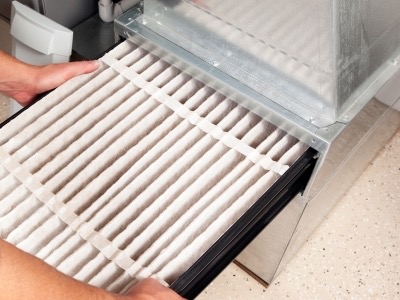 Routine maintenance on the air handler is one of the most effective ways to keep energy costs in check, since a well-maintained unit runs more efficiently and places less demand on the overall HVAC system. When components like the blower and evaporator coil are kept clean and in proper working condition, the system reaches the desired temperature faster and without the excess energy consumption that comes from a struggling unit. That efficiency translates directly into lower monthly operating costs that add up to meaningful savings over the life of the system.
)
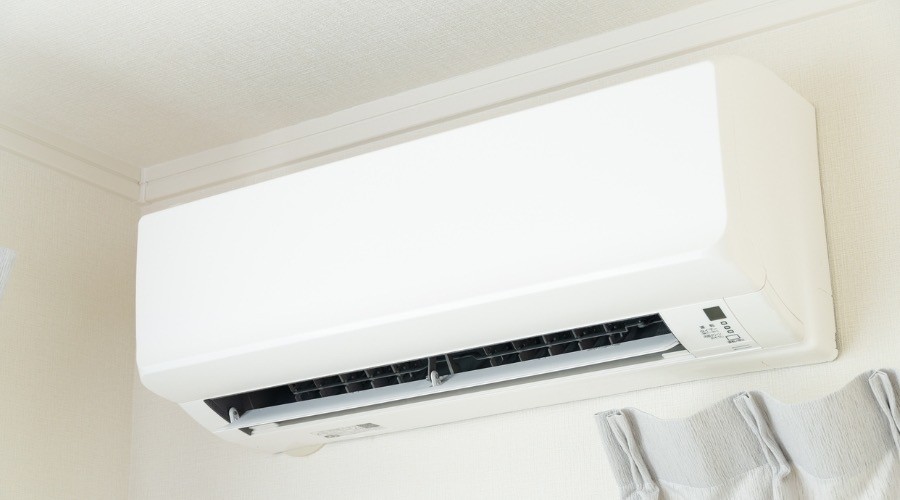

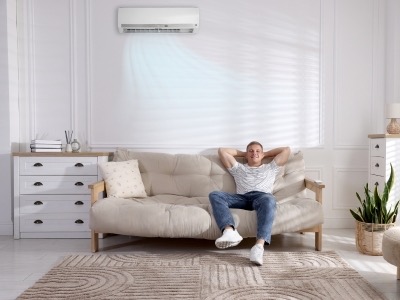 One of the most appreciated advantages of ductless
 )

 Another common sign of a refrigerant leak is a noticeable drop in cooling performance. With less air conditioning refrigerant circulating, the
  In many systems, a refrigerant leak produces distinctive noises. Hissing, gurgling, or bubbling sounds near the indoor or outdoor unit can indicate refrigerant escaping from a small opening. When pressurized refrigerant moves through a crack, pinhole, or loose connection in coils or lines, it can create a sharp hiss. If refrigerant mixes with oil or moisture inside the system, softer bubbling or gurgling sounds may be heard as it passes the damaged area.
)

 A clean air filter allows air to move freely through the system. When an air filter becomes clogged, the blower must work harder to pull air through, which reduces efficiency and can shorten equipment life. Regular
  A properly used
 )