Start the New Year Right With a Heater Replacement
A dependable heating system keeps indoor spaces comfortable, protects plumbing, and supports indoor air. Over time, though, every furnace or heat pump wears down and becomes too costly to maintain. Knowing when to move from repeated heating repair to a planned heater replacement helps avoid breakdowns and expenses. This overview explains how to start the New Year right with a heater replacement, focusing on old age or frequent repairs, rising utility bills, and heating equipment that no longer keeps rooms warm.
Old Age or Frequent Repairs
Most central heaters are designed to deliver roughly fifteen to twenty years of service under normal conditions. As a system nears that range, internal parts such as heat exchangers, motors, and control boards become more prone to failure. If the same heating system seems to need a technician visit every season, repair spending can quickly add up.
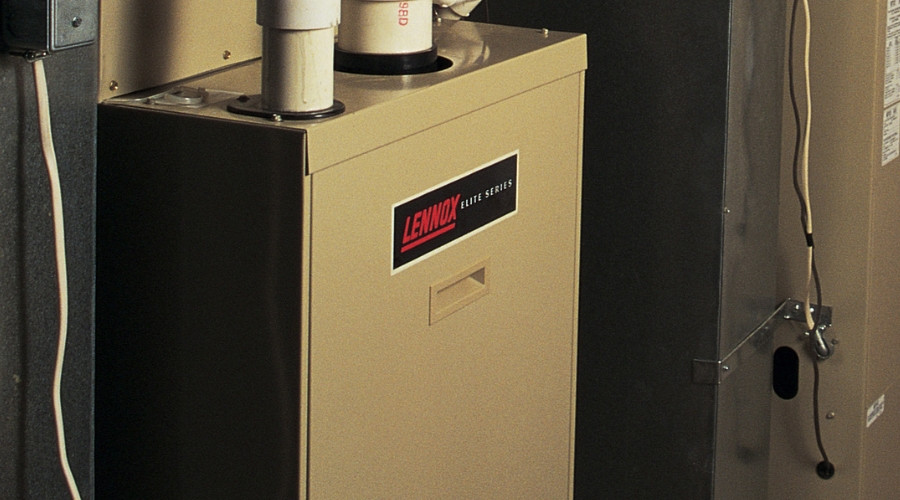
In these situations, it makes financial sense to invest in heater replacement rather than continuing to patch an aging unit. A new heating system installation offers better efficiency, improved safety features, and a fresh manufacturer's warranty that protects the investment.
High Utility Bills
 Another indicator that replacement should be on the table is a steady climb in winter energy costs. Older furnaces and heat pumps tend to lose efficiency as components wear, ductwork develops leaks, and burners or coils collect debris. The result is longer run times and a higher energy bill, even when thermostat settings remain the same.
Sometimes, a focused heating repair or thorough heating maintenance visit restores performance by cleaning and adjusting critical parts. However, if utility bills remain high after recommended service and no specific defect can be found, age‑related inefficiency may be the real culprit. At that point, a new heating installation may provide better long‑term savings than continuing to operate an outdated unit.
Insufficient Heating
 Comfort problems are a clear sign that it may be time to update equipment. Warning symptoms include:
- Rooms that never quite reach the thermostat setting
- Noticeable cold spots or uneven temperatures between floors
- A heater that cycles constantly yet still struggles to keep up on colder days
These issues can stem from undersized equipment, failing blowers, duct problems, or a combination of age‑related wear. While certain faults can be solved with targeted heater repair, a trusted professional can evaluate whether a full heating replacement will deliver more reliable warmth and lower operating costs.
About Jerry Brittingham A/C & Heat, Inc.
Jerry Brittingham A/C & Heat, Inc. is an award-winning, BBB-accredited heating, AC, and indoor air quality company providing expert HVAC solutions from highly trained technicians in Daytona Beach and the surrounding areas. With transparent pricing and prompt and professional service, customer satisfaction is guaranteed. Call them today for heater installation and replacement in Daytona Beach, FL.
)
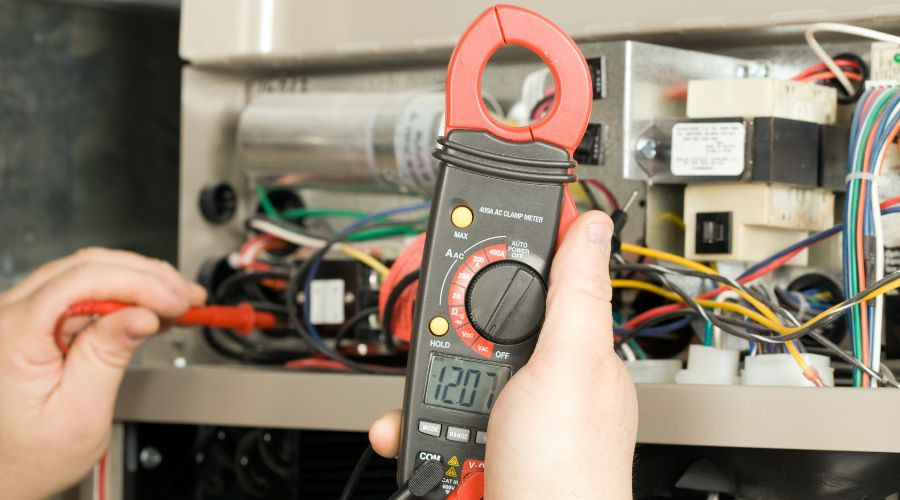
 A sudden spike in the utility bill during the heating season can signal that the heating system is operating inefficiently. Energy efficiency can suffer when components within the heating system wear down or malfunction. The system must work harder and run longer to achieve the desired temperature, consuming more energy in the process. This increased energy consumption directly translates to higher utility costs, even when the heating habits of a household haven't changed.
 Unusual sounds or odors coming from the heating system are also clear warning signs that shouldn't be ignored. Some noises that can indicate problems with the heater that require repair include rattling, banging, squealing, screeching, and humming. These sounds may indicate mechanical issues, such as loose components, failing motors, and more. These sounds aren't just an annoying inconvenience but the heater's way of communicating that something isn't functioning properly.
)

 Mold growth is another problem that homeowners may face in their heating systems. Mold thrives in damp and warm environments which can often be found inside air ducts and other parts of the heating system. This is because condensation can occur in these areas due to temperature changes or water leaks, creating the perfect conditions for mold to grow.
 Overheating furnaces and heaters also pose a serious risk, potentially leading to fires or damage to the heater. Detecting an overheating furnace or heater early on can prevent such hazards. Tell-tale signs include a distinctive burning smell, indicative of parts getting too hot, and an unusual humming noise, often resulting from a strained or failing motor.
 )

 Strange and
  Another way homeowners can tell something is wrong with their heating systems is if there is a spike in energy costs. When heating bills start rising around this time of year, they should be relatively similar in cost to the same time last year. If there is an unexplained spike in utility bills but the household’s energy use and the price of utilities have stayed relatively the same, chances are something is wrong.
 )


 High indoor humidity and moisture from the heating or cooling systems can both migrate to the air ducts and cause
 )
)
)