When is it Time to Replace and Upgrade the Thermostat?

Signs Thermostat Replacement Is Needed and the Benefits of Upgrading

Knowing when to replace and upgrade the thermostat can make a noticeable difference in comfort and operating costs. An outdated or inconsistent thermostat often causes uneven temperatures and unnecessary runtime, leaving the heating and cooling system working harder than it should. Installing a smart or programmable thermostat can improve control and help systems run more efficiently. This guide explains the signs that point to thermostat replacement, the benefits of upgrading, and why programmable and smart options outperform a basic manual thermostat.

Common Signs to Replace the Thermostat

billsA thermostat may signal trouble long before a complete failure. A blank, dim, or unresponsive display is a clear sign that internal components are failing. Inaccurate readings—when the displayed temperature does not reflect the actual feel of a room—suggest sensor or calibration issues that lead to inefficient cycling and inconsistent comfort.

Operational behavior also reveals underlying problems. Short cycling, where equipment turns on and off in quick bursts, often indicates communication errors between the thermostat and the heating or cooling system. On the other side, systems that run for extended periods without achieving the set point point to a control that no longer regulates properly. Age is another factor; older devices, especially a manual thermostat, frequently lack features that support steady temperatures and efficient operation. When multiple symptoms appear together, planning for thermostat replacement with a modern control can restore predictability and reduce strain on equipment.

Benefits of Replacing an Aging or Malfunctioning Thermostat

Replacing an aging or malfunctioning thermostat typically delivers immediate improvements. Modern controls offer better sensing and more precise algorithms, allowing equipment to run closer to actual demand. The result is steadier temperatures throughout the space, fewer temperature swings, and improved efficiency that can help stabilize the utility budget.

An upgraded thermostat also supports quieter, less stressful operation for the HVAC system. Reduced unnecessary starts and stops limit wear on furnaces, air handlers, and heat pumps. Convenience increases as well: a programmable thermostat enables set-and-forget schedules that match daily routines—warmer when rooms are active, cooler when they are empty or at night. For a seamless transition, professional thermostat installation ensures proper wiring, placement, and configuration so the control communicates correctly with the equipment. Taken together, these enhancements make thermostat replacement a practical step toward a more efficient and comfortable home environment.

Why Upgrade to a Programmable or Smart Thermostat?

thermostatUpgrading to a programmable or smart thermostat modernizes comfort management and reduces reliance on constant manual adjustments. Compared to a manual thermostat that holds one setting until it is changed by hand, a programmable model automates temperature shifts by time of day and day of week, helping avoid unnecessary operation when spaces are unoccupied.

A smart thermostat expands on those benefits with features like remote access, learning capabilities, and usage insights that can guide fine-tuning for comfort and efficiency. Many models offer occupancy awareness, weather-responsive adjustments, and multi-stage control for smoother performance. When paired with professional smart thermostat installation, advanced features are configured to match the specific HVAC setup for consistent results. Whether choosing a straightforward programmable thermostat or a fully connected smart thermostat, moving beyond a manual thermostat typically delivers steadier temperatures, streamlined operation, and better alignment between actual demand and system output.

About Jerry Brittingham A/C & Heat, Inc.

Jerry Brittingham A/C & Heat, Inc. is an award-winning HVAC company proudly serving the communities of Daytona Beach and the surrounding areas with prompt and professional service. Call them today for smart home thermostats in Daytona Beach, FL.

Distribution Links +

A Practical Guide to Ductwork and When the Ducts Need Service

When Do the Air Ducts Need Professional Attention?

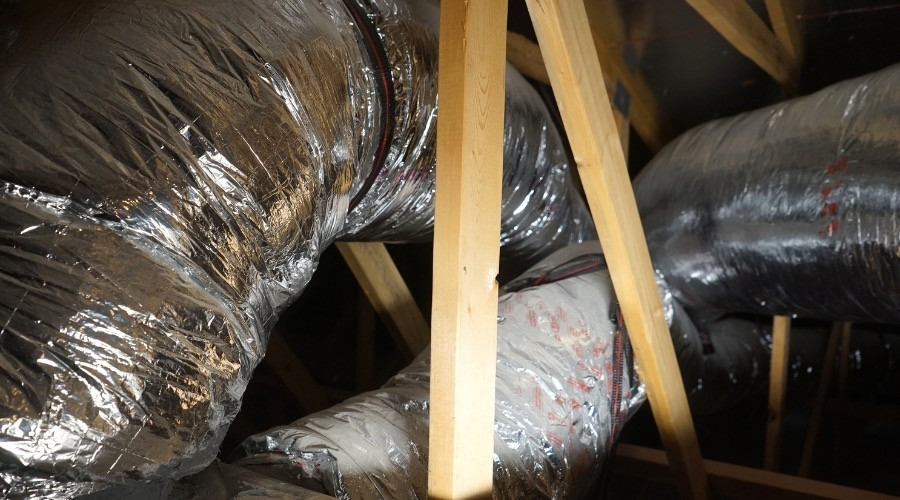
Ductwork is the hidden highway of a heating and cooling system, carrying conditioned air to every room. When problems develop, comfort, indoor air quality, and energy costs often suffer. This guide highlights the clearest signals that an air duct system needs expert care—from air duct repair and air duct cleaning to full air duct replacement—so comfort and efficiency get back on track without guesswork.

Signs Ductwork Repair Is Needed

dust Air ducts operate quietly behind walls, ceilings, and floors, but the entire home “speaks up” when something is wrong. Recognizing the early signs of damaged ductwork helps prevent more significant issues and unnecessary strain on HVAC equipment.
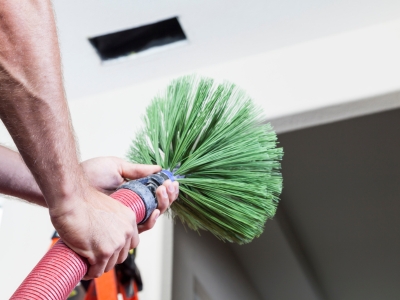
Common indicators that suggest the need for ductwork repair include unusual dust patterns around vents, fine dust on surfaces shortly after cleaning, or a musty odor when the system is running. These can indicate leaking seams or disconnected sections that allow unfiltered air to enter the supply. Uneven temperatures—one room cool and another warm—often indicate crushed ducts, loose connections, or blocked branches. A sudden uptick in energy bills without a change in weather or usage can also be a sign that conditioned air is escaping through gaps before reaching living spaces.

Sounds and smells provide clues as well. Rattling, whistling, or banging within the ductwork may indicate loose fasteners, ill-fitting transitions, or holes that require prompt attention. Odors in the airstream can signal moisture issues or contamination inside an air duct. In these situations, a professional air duct inspection can determine whether air duct repair, air duct cleaning, or both are warranted.

If an air duct system is older, repeatedly patched, or heavily corroded, it may be time to consider replacing the ductwork. Targeted sections can sometimes be swapped, but widespread deterioration or design flaws often justify a more comprehensive air duct replacement to restore performance.

The Importance of Air Duct Maintenance and Cleaning

air dust Without routine care, dust, pet dander, building debris, and other contaminants can settle in the ductwork and migrate throughout the home. Air duct maintenance helps keep this under control while also preserving airflow and system efficiency. Regular inspections identify loose connections, air leaks, damaged insulation, and gaps at plenums or registers that waste conditioned air.

Professional air duct cleaning, performed with the right equipment and proper containment methods, removes stubborn buildup and helps prevent it from recirculating. During the same visit, a qualified team can locate and seal leaks, confirm that ducts are correctly supported, and check for crushed or kinked flex runs. Ductwork cleaning done in tandem with sealing and minor ductwork repair often produces the best results because airflow and cleanliness are restored together.

Beyond cleanliness, a well‑maintained air distribution system reduces the workload on the HVAC unit, aiding efficiency and helping equipment last longer. Pairing air duct maintenance with periodic filter changes, drain line checks, and coil cleaning creates a comprehensive care plan for reliable year‑round comfort.

How Long Does Ductwork Last?

The service life of ductwork varies based on material, installation quality, local climate, and maintenance history. Properly installed metal ducts can deliver long, dependable service, while some flexible runs may age faster if compressed, unsupported, or exposed to heat and humidity. In coastal or humid regions, corrosion and moisture intrusion can shorten the lifespan if not addressed.

Longevity improves with consistent upkeep. Periodic air duct cleaning removes debris that can restrict airflow and harbor contaminants. Scheduled inspections catch loose joints, torn mastic, or failing insulation early, making timely air duct repair more effective and less disruptive. When leakage, damage, or design issues are widespread, ductwork replacement becomes a sound investment, restoring airflow balance and improving comfort across the home.

Clear warning signs of a failing network include persistent temperature imbalances, visible deterioration around connections, recurring dust accumulation near vents, and ongoing airflow noises that return soon after repair. An experienced contractor can pressure‑test ducts, measure airflow, and recommend the best path—ranging from focused ductwork repair to partial swaps or full air duct replacement.

In short, a clean, tight, and properly designed air duct system protects indoor air quality and helps the HVAC unit operate efficiently. When concerns arise, a comprehensive evaluation—covering air duct repair, air duct maintenance, and ductwork cleaning—provides a roadmap to long‑term comfort with the fewest surprises.

About Jerry Brittingham A/C & Heat, Inc.

Jerry Brittingham A/C & Heat, Inc. is a leading HVAC company that provides prompt and professional service from experienced, highly trained technicians in Daytona Beach. Call them today for air duct services in Daytona Beach, FL.

Distribution Links +

Common Causes of Inefficient Air Conditioning Units

Why Are Cooling Costs Higher Than Usual?

Dealing with an inefficient air conditioner can be frustrating, especially when energy bills surge while the space still feels warm. If a system runs nonstop yet struggles to cool, the cause is often straightforward. Most issues behind poor performance are simple to pinpoint through routine air conditioner maintenance. This overview highlights common culprits so comfort can be restored and monthly costs reduced without guesswork.

Dirty Air Filter or Lack of Maintenance

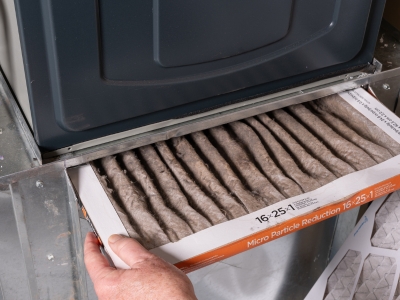
filter A clogged air filter or neglected AC filter forces equipment to work harder, increasing energy consumption and operating costs. Dirty air filters restrict airflow through the HVAC system, leading to longer run times to achieve the same cooling output. According to the Department of Energy, restricted airflow of this kind can raise energy use by up to 15%.

Skipping timely air filter replacement or AC filter replacement also allows dust to accumulate on evaporator coils and other internal components, further limiting heat transfer. Regular air conditioner maintenance and scheduled AC maintenance help prevent these inefficiencies from compounding. During routine visits, technicians clean coils, verify charge to check for signs of a refrigerant leak, and inspect electrical connections. Properties following consistent maintenance schedules often see 20–40% better efficiency than those waiting for breakdowns.

Dirty Coils or Low Refrigerant

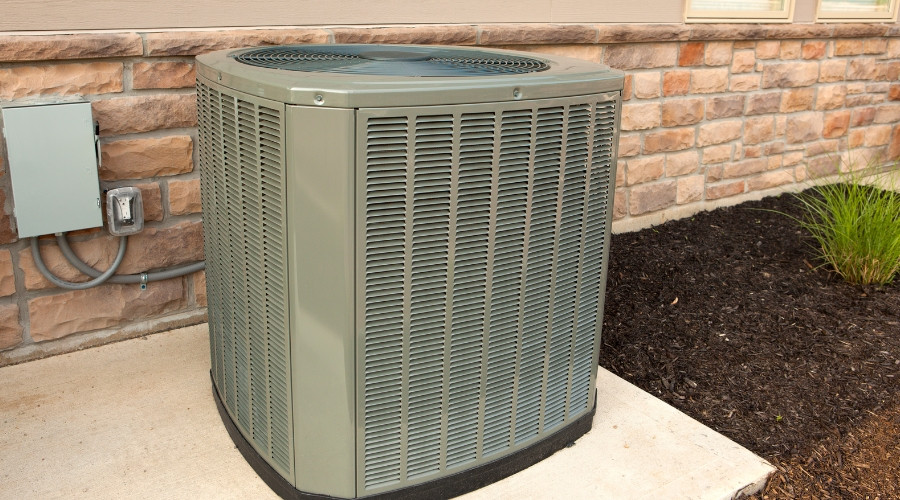
hvac Dirty coils and low refrigerant levels are among the most frequent reasons an air conditioner underperforms. Contaminated evaporator coils absorb less heat from indoor air, while condenser coils covered in debris struggle to release heat outdoors. The result is reduced capacity and extended run times.

A refrigerant leak compounds the problem. When refrigerant levels drop, the system’s ability to transfer heat between indoor and outdoor units declines sharply. The compressor may run longer cycles, yet optimal cooling never materializes. Professional service typically includes coil cleaning with specialized equipment and precise diagnosis of any refrigerant leak, followed by repairs and charging to manufacturer specifications—steps that restore performance and trim cooling costs.

Ductwork Problems

Leaky or obstructed ductwork is a commonly overlooked cause of inefficient cooling. Damaged air ducts can lose 20–30% of conditioned air, forcing the system to overwork to meet thermostat settings. Escaped air often ends up in attics or crawlspaces rather than living areas.

Beyond leaks, blockages from dust accumulation, debris, or pests can choke airflow through ductwork, creating hot and cold spots from room to room. A professional inspection of air ducts helps detect hidden leaks and obstructions. Sealing problem areas with appropriate materials and performing thorough duct cleaning restores proper airflow, improves overall HVAC efficiency, and supports more even temperatures throughout the home or building.

About Jerry Brittingham A/C & Heat, Inc.

Jerry Brittingham A/C & Heat, Inc. is a leading provider of HVAC services in Daytona Beach and the surrounding areas. They offer prompt, high-quality service and take pride in guaranteeing customer satisfaction. Call them today for AC maintenance in Daytona Beach, FL.

Distribution Links +

Air Conditioning 101: A Basic Guide to Cooling

Air Conditioning Basics That Matter

Heading back into the school year is a great time to brush up on Air Conditioning 101. If you’re dealing with rising energy bills or an older system, a few smart choices can improve comfort and reliability without blowing the budget. Below is a quick look at AC system types, common warning signs, and why regular care pays off.

Common Types of Air Conditioning Systems

acCentral systems: A central air conditioning system moves cooled air through ducts to serve the whole building. A central AC system is a solid choice for larger schools or facilities that already have ductwork, since it keeps temperatures even from room to room. A central air conditioner does require a higher upfront investment and routine duct and equipment care to stay efficient.

Ductless options: A ductless mini split system cools specific areas without adding or modifying ducts. A ductless mini split air conditioner pairs an outdoor unit with one or more indoor air handlers, so you can control temperatures by zone—handy for older buildings, portable classrooms, or offices that need extra cooling. A ductless mini split offers flexible installation and targeted efficiency, especially when only a few spaces need conditioning.

What’s “best” depends on the building and how you use it. For whole‑building comfort with existing ducts, central often wins. For spot cooling or retrofits, ductless is hard to beat. Either way, plan on professional installation plus ongoing care—regular AC maintenance and timely air filter replacement—to maintain air quality and dependable performance.

Signs It’s Time for AC Repair

Even well‑kept systems eventually need attention. Call for AC repair or professional air conditioner repair if you notice:

  • Strange noises (grinding, squealing, banging) or new vibrations
  • Weak airflow, warm spots, or uneven cooling
  • Musty odors (possible mold) or burning smells (possible electrical issue)
  • Short cycling, hard starts, or tripped breakers
  • Unusually high energy bills without a change in usage
  • Water around the indoor unit or ice on refrigerant lines
  • Thermostat readings that don’t match the room’s feel

Catching issues early helps prevent bigger problems and unexpected downtime.

Why Maintenance Matters

filter Routine AC maintenance keeps equipment efficient and extends its useful life. A typical air conditioner maintenance visit includes:

  • Cleaning indoor and outdoor coils
  • Checking refrigerant charge and looking for leaks
  • Inspecting electrical connections and testing system controls
  • Verifying thermostat calibration
  • Lubricating moving parts and clearing the condensate drain

Don’t overlook air filter replacement. Most filters should be changed every 1–3 months, depending on use and indoor air quality. Clean filters support airflow, improve efficiency, and help maintain a healthier learning environment.

Quick tip: Keep vents clear of furniture and paper, shade outdoor units if possible, and schedule maintenance before peak heat to avoid mid-season surprises.

About Jerry Brittingham A/C & Heat, Inc.

Jerry Brittingham A/C & Heat, Inc. is a reliable HVAC company proudly serving the communities of Daytona Beach and the surrounding areas. Their technicians are prompt, professional, experienced, and highly trained, ensuring customer satisfaction. Call them now for air conditioning services in Daytona Beach, FL.

Distribution Links +

A Straightforward Guide to Refrigerant

Refrigerant and Signs of Refrigerant Issues Explained

Refrigerant plays a vital role in cooling the home. However, when refrigerant levels are too high or too low, issues occur. Recognizing signs of refrigerant issues is important so that a professional can be called for refrigerant leak repair. This guide explains what refrigerant does, how to identify refrigerant leaks or overcharged systems, and ways to help avoid these refrigerant problems.

How Refrigerant Works in an Air Conditioning System

Refrigerant is the lifeblood of an air conditioning system, responsible for absorbing and expelling heat to cool indoor spaces. In an AC system, refrigerant cycles between the indoor evaporator coil and the outdoor condenser coil. During this process, it absorbs heat from the indoor air and releases it outside, thereby cooling the interior of the home.

As the refrigerant circulates, it transitions from a liquid to a gas and back again, facilitating the heat exchange necessary for cooling. Maintaining the correct refrigerant level in the system is essential for both a comfortable indoor environment and an efficient air conditioning system.

Signs of a Refrigerant Leak or Overcharged Refrigerant

hot at home Detecting a refrigerant leak or realizing the system has been overcharged is pivotal to addressing air conditioning issues promptly. Various symptoms may suggest refrigerant-related problems, including:

Warm Air from Vents or Issues with Cooling: When the refrigerant level is low due to a leak or the refrigerant is overcharged, the air conditioner may fail to cool the home properly, resulting in warm air blowing from the vents or inadequate cooling. 

Frozen Evaporator Coil: If refrigerant levels drop due to a refrigerant leak, the evaporator coil can freeze due to insufficient heat absorption. This is often observed as ice buildup on the AC unit.

High Electric Bills: An air conditioning system struggling with refrigerant issues, whether due to overcharging or a low refrigerant level caused by a leak, can lead to increased energy consumption and higher energy bills.

Hissing Sounds: Differing pressure levels caused by a refrigerant leak may produce strange sounds, such as a hissing noise, indicating a breach within the system.

It's essential to note that some of these signs, such as poor cooling and high cooling costs, can also be caused by both a refrigerant leak and an overcharged refrigerant system, so it’s important to have a professional inspect the system.

How to Avoid Refrigerant Issues

refrigerantPreventative measures and professional maintenance are vital in avoiding issues related to refrigerant, ensuring prolonged efficiency and fewer repair needs for the air conditioning system.

To avoid overcharging an AC system, homeowners should rely on professionals to refill refrigerant. Skilled technicians ensure the correct amount is added, maintaining optimal performance without the risk of overcharging.

Regular air conditioning maintenance by a professional also helps ward off refrigerant leaks. Routine checks include cleaning AC coils, inspecting refrigerant levels, and diagnosing any potential issues early.

By adopting these preventive strategies, homeowners can minimize the likelihood of refrigerant issues and keep their air conditioning system operating smoothly and efficiently.

About Jerry Brittingham A/C & Heat, Inc.

Jerry Brittingham A/C & Heat, Inc. has more than 20 years of experience serving the Daytona Beach community. They offer prompt service, financing options, and a beneficial membership plan. Call them for AC refrigerant leak repair services in Daytona Beach, FL. 

Distribution Links +